
English| EUR
Suggested for you
More currencies
Choose a language
The Wellington to Martinborough run is one of New Zealand's most straightforward wine-country drives — a single highway threading through the Remutaka Range into the Wairarapa basin. This guide covers the route timing, road conditions through the hills, and the transport decisions that shape your cellar-door schedule.
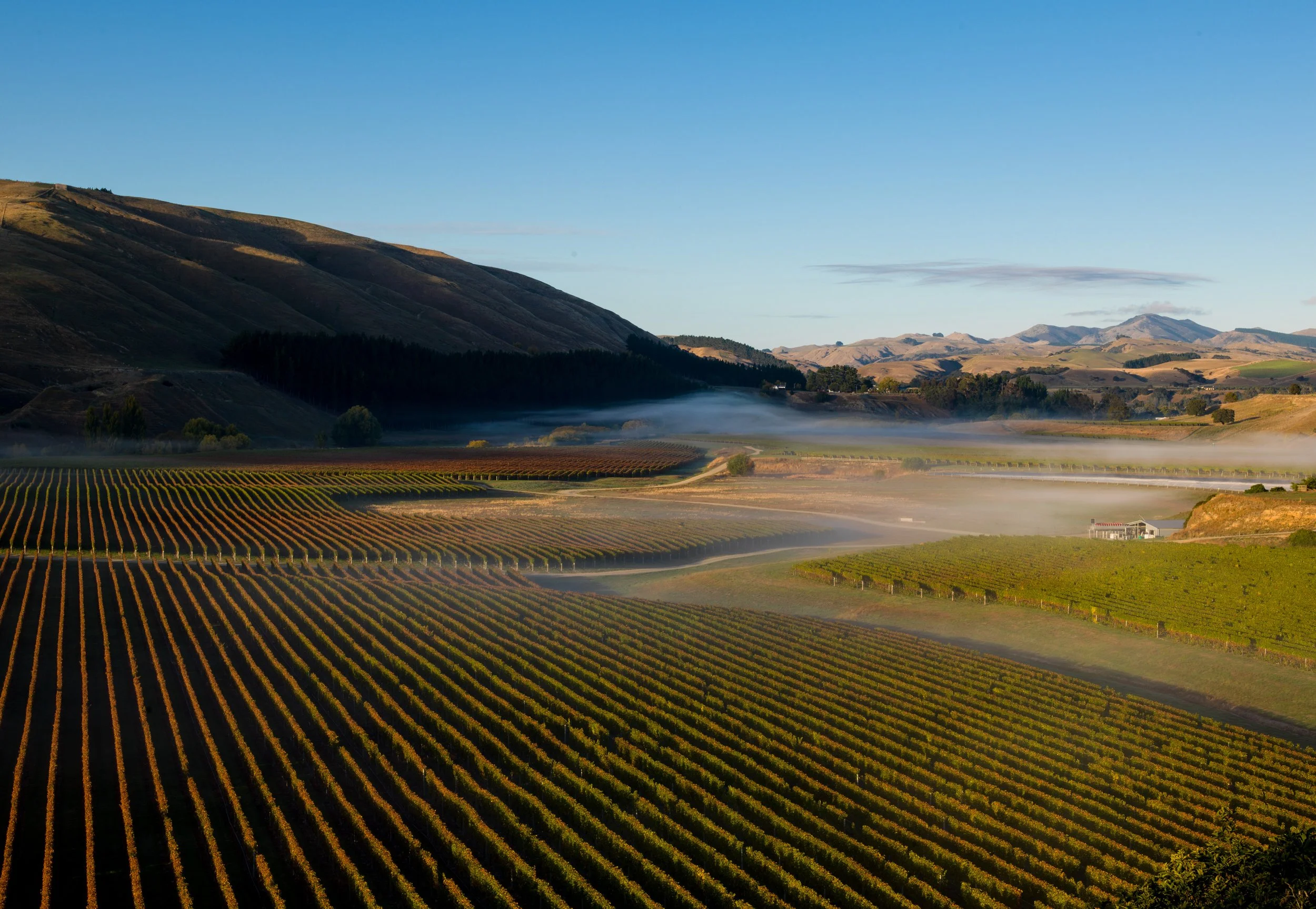
Quick answer
The drive from Wellington to Martinborough takes 70 to 90 minutes under normal conditions via State Highway 2, covering approximately 77 kilometres. The route climbs through the Remutaka Range east of Upper Hutt, a winding hill section that adds 15 to 20 minutes compared to flat highway driving. Traffic through the Hutt Valley during weekday peak periods can extend the total trip to two hours.
State Highway 2 is the only sealed route linking Wellington to the Wairarapa, and every vehicle bound for Martinborough's cellar doors follows the same corridor. The road departs the capital's northern motorway at Ngauranga, runs the length of the Hutt Valley through Lower Hutt and Upper Hutt, then begins its climb at the base of the Remutaka Range. The hill section is 16 kilometres of tight curves and steady gradient, with no overtaking lanes and a 70 km/h advisory speed for much of the ascent and descent. Beyond the summit the highway drops into the Wairarapa, passing through Featherston before reaching the SH53 junction at Greytown. The final leg to Martinborough is a straight 18-kilometre run on SH53, flat and rural. Drive time from the Remutaka summit to Martinborough Square is typically 25 minutes. The Hutt Valley segment, by contrast, is urban and congestion-prone: weekday morning and evening peaks between 7:00–9:00 and 16:30–18:30 can add 20 to 30 minutes to the journey, particularly between Petone and Upper Hutt. Road conditions on the Remutaka hill are weather-dependent. Fog reduces visibility through the range during winter mornings, and ice warnings are issued several times each season. The New Zealand Transport Agency posts real-time alerts for SH2, and the Remutaka Hill Road Twitter feed provides localised updates. The route has no fuel stations between Upper Hutt and Featherston, a 35-kilometre gap that catches drivers who defer refuelling. Cellar doors in Martinborough cluster within two kilometres of the town square, and most open between 11:00 and 16:00. Drivers aiming to reach the village by mid-morning for a full tasting schedule typically depart central Wellington by 9:00 or earlier. Return traffic on Sunday afternoons is heavier than the outbound leg, with tour buses and weekend visitors converging on the single-lane Remutaka descent.
“The Remutaka Range is 16 kilometres of tight curves and steady gradient, with no overtaking lanes and a 70 km/h advisory speed for much of the ascent and descent.”
Martinborough is located in the Wairarapa region, accessible from Wellington primarily by traveling north via State Highway 2. The route involves crossing the Remutaka Range, which serves as the main connection between the two areas.
State Highway 2 via Remutaka Range
Metlink 200 service to Featherston, then local connection
The Remutaka Range features winding roads and frequent curves; drivers should exercise caution and utilize passing lanes where provided. Plan your journey to arrive within the recommended window to ensure access to local amenities.
The best arrival window is 09:00–17:00 to ensure cellar doors and local shops are accessible. Planning your departure from Wellington to align with this window helps you avoid peak congestion and maximize your time in Martinborough.
—
Quiet roads allow for a relaxed arrival before cellar doors reach capacity.
Warm, dry; 20°C–25°C
Vines are lush and outdoor seating is available, though cellar doors are busiest.
Mild, crisp; 15°C–20°C
Harvest season offers active vineyard views and stable, comfortable temperatures.
Cool, rainy; 8°C–13°C
Cellar doors remain open, offering fireside tastings with significantly fewer visitors.
Verdict: Tuesday to Thursday, arriving between 09:00 and 10:00, in the months of April or October provides the most reliable access to local amenities.
This sample itinerary suits visitors driving from Wellington who want to experience Martinborough's wine culture in a single day. The plan spans roughly eight hours, allowing time for the drive, cellar-door visits, and a relaxed lunch.
Leave early to reach Martinborough by late morning, giving yourself the full afternoon for tastings. The drive takes around 90 minutes via State Highway 2.
Park in the town centre and walk to your first cellar door—most are within a few blocks of Martinborough Square. Spend 30–45 minutes at each winery.
Stop at one of the local cafés or a winery restaurant for a meal. Many offer seasonal menus that pair with the region's wines.
Visit two or three more wineries on foot, taking advantage of the compact layout. Tastings typically cost between 10 and 20 NZD per flight.
Spend a little time exploring the shops around the square or pick up a bottle to take home. Most cellar doors close by 17:00.
Start the return drive, arriving back in the city by early evening. Factor in potential traffic if leaving on a weekend.
Entry to Martinborough town is free of charge. Costs for visitors are associated with individual commercial activities such as winery cellar door tastings.
Verdict: A typical adult pays 0 NZD for town access, with total costs depending on the number of wine tastings selected.
Martinborough operates on a continuous schedule, allowing for flexible travel planning throughout the week.
Everything you need to know about how long to drive from wellington to martinborough
The drive typically takes about 1 hour and 30 minutes depending on traffic and your starting point. Knowing how long to drive from Wellington to Martinborough helps you plan your day effectively for wine tasting. Planning how long to drive from Wellington to Martinborough is essential for maximizing your time among the vines. When considering how long to drive from Wellington to Martinborough, keep in mind that the Remutaka Range features winding roads that require steady driving. These roads are well-maintained but can be challenging during peak weather conditions. Accessing the village is easiest between 09:00–17:00, which is the recommended period for enjoying local shops and cellar doors. There is 0 NZD entry fee to the town itself, though individual wineries charge for tastings at their own discretion. While personal vehicles are the primary mode of transit, visitors often seek efficient logistics to reach the region. The town is compact and best explored at a relaxed pace once you have arrived.